Tonle Sap
Things to see and do
In Tonle Sap, Cambodia, visitors can engage in a variety of activities and explore unique attractions that showcase the lake's natural beauty, cultural heritage, and diverse ecosystem. Here are some of the top things to do and see in Tonle Sap:
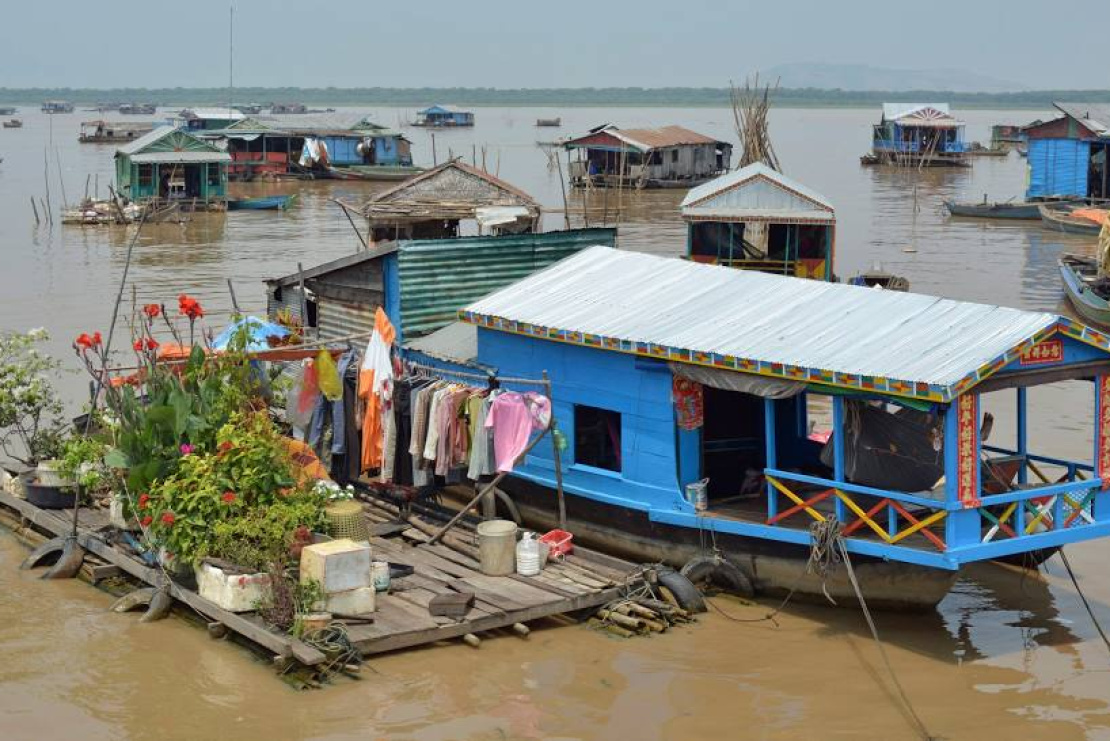
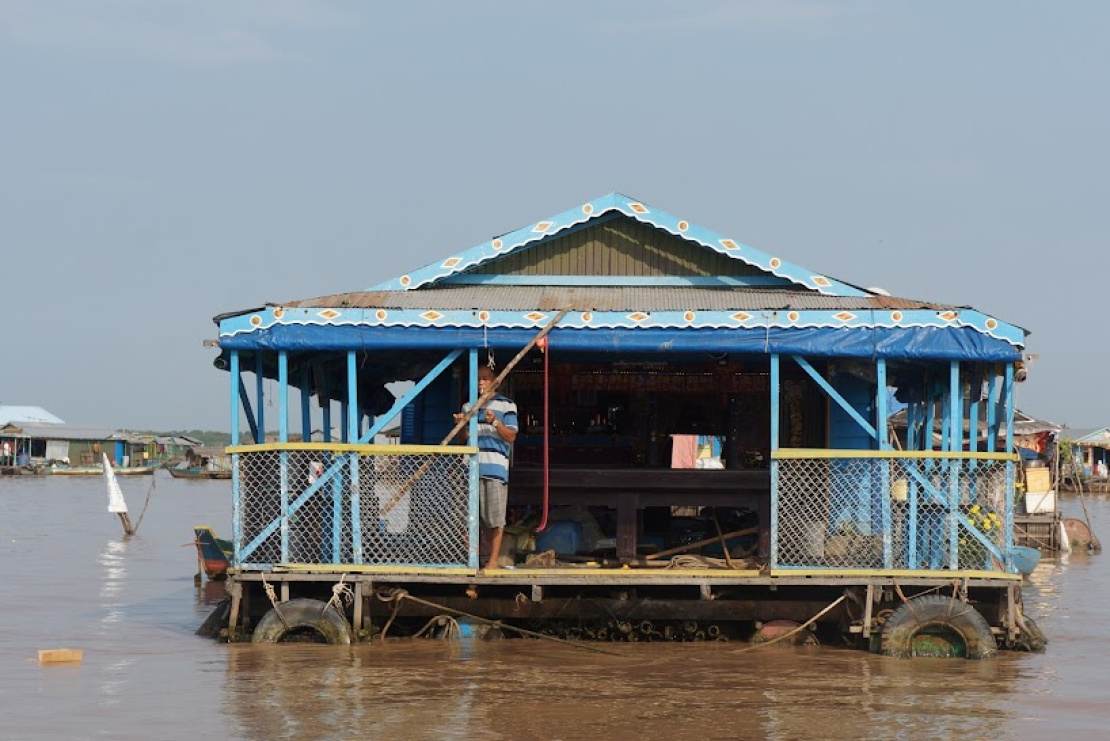
Boat Tours: Take a boat tour to explore the lake and its surrounding areas. Cruise along the waterways to observe the floating villages, stilted houses, and flooded forests that line the shores of Tonle Sap. Many tour operators offer guided boat tours that provide insights into the local way of life and opportunities to interact with residents.
Floating Villages: Visit one of the floating villages on Tonle Sap to experience daily life on the water. Explore the narrow lanes and floating markets of these communities, where residents live, work, and go about their daily activities on boats and floating platforms. Learn about traditional fishing techniques, visit floating schools and temples, and immerse yourself in the unique culture of Cambodia's riparian communities.
Birdwatching: Tonle Sap is a haven for birdwatchers, with its diverse habitats supporting a wide variety of bird species. Take a birdwatching tour to spot endemic and migratory birds in the lake's wetlands, flooded forests, and open water areas. Keep an eye out for species such as herons, egrets, ibises, storks, and kingfishers, among others.
Wildlife Viewing: Explore the rich biodiversity of Tonle Sap by observing its diverse wildlife. Keep an eye out for reptiles like crocodiles and turtles, as well as mammals such as otters and macaques. In the flooded forests and marshlands surrounding the lake, you may encounter a variety of amphibians, insects, and small mammals.
Cultural Experiences: Learn about the cultural heritage of the communities living around Tonle Sap by participating in cultural activities and interacting with local residents. Visit traditional Khmer temples and pagodas, attend cultural performances and ceremonies, and sample authentic Cambodian cuisine at local restaurants and markets.
Sunset Cruises: Experience the beauty of Tonle Sap at sunset by taking a sunset cruise on the lake. Watch as the golden light reflects off the water and illuminates the floating villages and surrounding landscape. Sunset cruises offer a serene and picturesque way to end the day and capture memorable moments on the lake.
Photography: With its stunning landscapes, vibrant communities, and diverse wildlife, Tonle Sap provides endless opportunities for photography enthusiasts. Capture panoramic views of the lake, candid portraits of local residents, and close-up shots of the lake's flora and fauna. Whether you're an amateur or professional photographer, Tonle Sap offers countless scenes waiting to be captured on camera.
Good to Know
When to visit?
Access
Accessing Tonle Sap in Cambodia typically involves traveling to one of the nearby towns or cities and then arranging transportation to the lake itself. Here are several common ways to access Tonle Sap:
From Siem Reap: Siem Reap is a popular tourist destination and a common starting point for visiting Tonle Sap. From Siem Reap, travelers can take a bus or taxi to reach the town of Chong Khneas, which is located near the northern tip of Tonle Sap. From there, visitors can arrange boat tours to explore the lake and its floating villages.
From Phnom Penh: Phnom Penh, the capital city of Cambodia, is another common starting point for visiting Tonle Sap. Travelers can take a bus or taxi from Phnom Penh to reach the town of Kampong Chhnang, which is located along the northern shore of Tonle Sap. From Kampong Chhnang, visitors can arrange boat tours to explore the lake and its surrounding areas.
From Battambang: Battambang is a city located to the west of Tonle Sap. Travelers can take a bus or taxi from Battambang to reach the town of Pursat, which is located along the western shore of Tonle Sap. From Pursat, visitors can arrange boat tours to explore the lake and its floating villages.
By Organized Tour: Many tour operators in Siem Reap, Phnom Penh, and other major tourist hubs offer organized tours to Tonle Sap. These tours typically include transportation to and from the lake, as well as guided boat tours of the lake and its floating villages.
Self-Drive or Rental Car: Travelers who prefer to drive themselves can rent a car in Siem Reap, Phnom Penh, or Battambang and drive to Tonle Sap. However, it's important to note that road conditions in Cambodia can vary, and navigating to remote areas around the lake may require a good map or GPS navigation system.
Where to eat and taste
Finding specific dining establishments around Tonle Sap itself might be limited, as the lake is primarily surrounded by small villages and rural areas. However, nearby towns and cities offer a variety of dining options where visitors can enjoy authentic Cambodian cuisine and regional specialties. Here are some suggestions:
Siem Reap: As a major tourist destination, Siem Reap boasts numerous restaurants and eateries offering a wide range of cuisines, including Khmer, international, and fusion. Visitors can explore the vibrant Pub Street area for a lively dining experience or head to the Old Market (Phsar Chas) to sample local street food and delicacies.
Phnom Penh: Cambodia's capital city is known for its diverse culinary scene, with restaurants ranging from street food stalls to upscale dining establishments. Visitors can enjoy traditional Khmer dishes at restaurants like Romdeng or Friends, which also support social initiatives and offer training to disadvantaged youth.
Battambang: This charming riverside town is known for its laid-back atmosphere and delicious food. Visitors can dine at local eateries along the Sangker Riverfront or explore the bustling Psar Nat Market to sample fresh produce, snacks, and street food.
Kampong Chhnang: Located along the northern shore of Tonle Sap, Kampong Chhnang is known for its pottery industry and floating villages. Visitors can try local specialties like freshwater fish dishes, prahok (fermented fish paste), and num banh chok (Khmer noodles) at restaurants and food stalls in the town center.
Local Markets: In addition to restaurants and eateries, visitors can also experience authentic Cambodian cuisine by sampling street food and snacks at local markets. Many towns and cities around Tonle Sap have bustling markets where vendors sell a variety of dishes, fruits, and snacks at affordable prices.