Phnom Penh

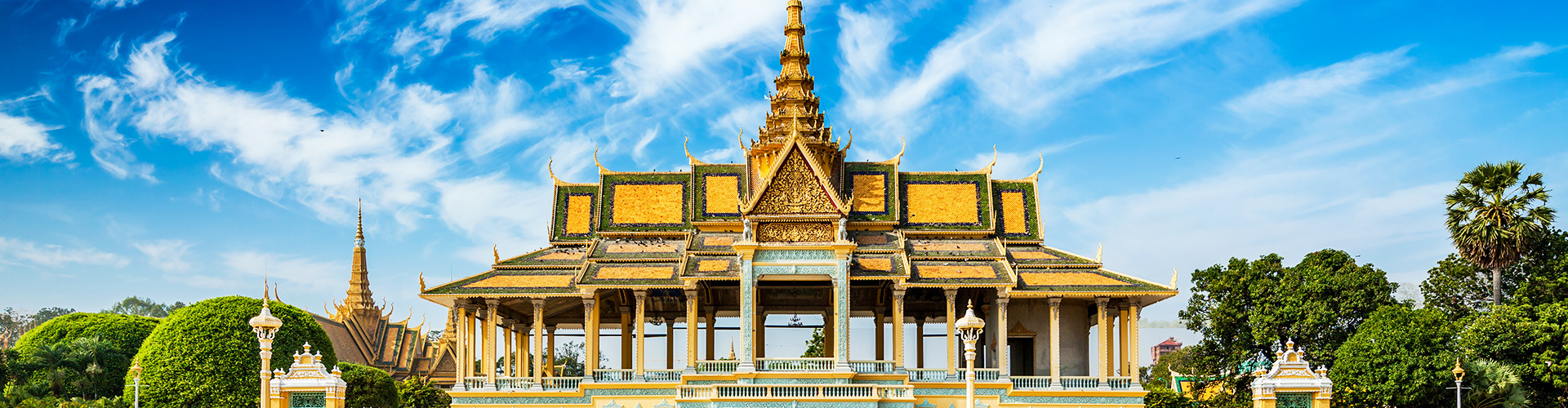
Capital of Cambodia, the city of Phnom Penh is a reflection of the country: thriving. With its dense traffic and markets and shops developing on every street corner, Phnom Penh is a city that is lively and exudes South Asian urban life. Amidst this hustle and bustle, the capital preserves very beautiful tourist sites to visit. All these factors make Phnom Penh a flagship destination of the country.

Things to see and do

The Royal Palace of Phnom Penh
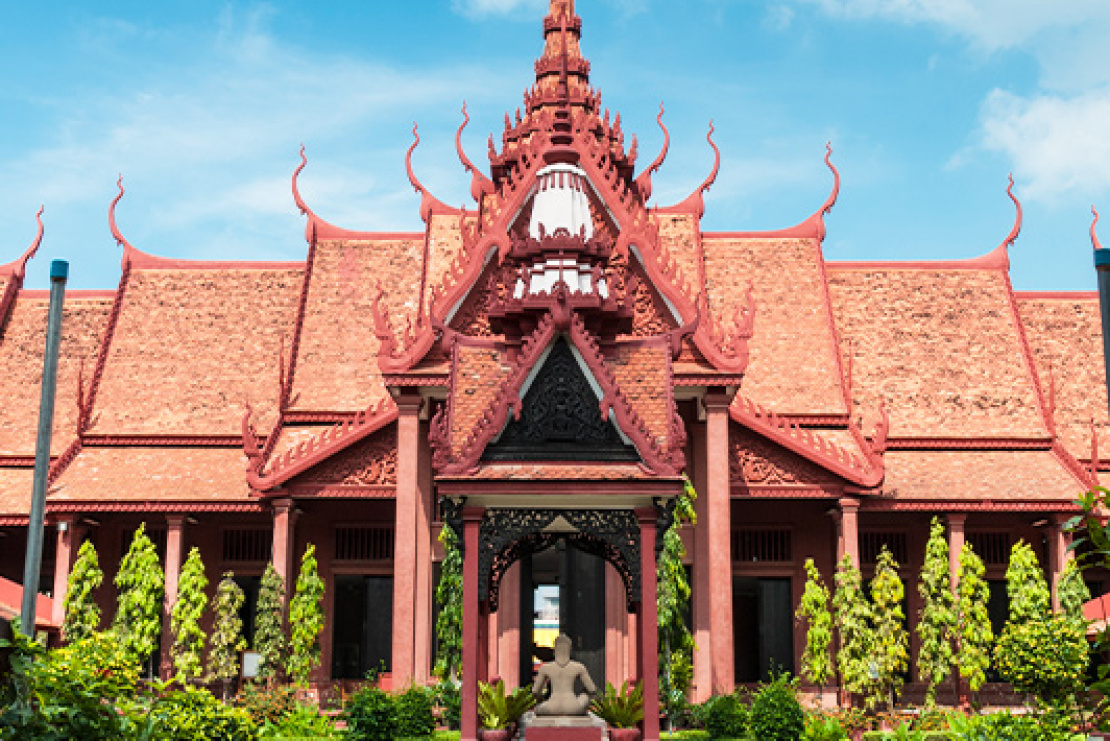
It is the symbol of the Kingdom and the residence of the royal family. This imposing building, with its architecture and Khmer-inspired roofs and ornaments, is a testament to that. Only a part of the Royal Palace is open to the public, as it is the official residence of the King. Among the places tourists can visit are the palace gardens, which are simply magnificent and filled with numerous species of tropical plants. The Throne Hall is sumptuous, and the structure of the Napoleon III Pavilion is astonishing. To visit this place, you will need to wear shorts that cover the knees and shirts or blouses with sleeves that cover at least the elbows.
The Silver Pagoda
Adjacent to the Royal Palace, the Silver Pagoda is a very special building, with floors made of shining silver. Approximately 5000 silver tiles are said to be embedded at the entrance. Its enclosure houses many fabulous treasures, such as its Buddha statues made of gold and precious stones, including the imposing "Emerald Buddha," made of Baccarat crystal. Part of the exterior facade has been renovated with precious Italian marble. The Silver Pagoda is unique, and its beauty makes it one of the city's most remarkable attractions.
Wat Phnom
It is the symbol of the capital. Wat Phnom stands on top of a wooded hill 27 meters high. According to legend, the first pagoda on this site was built in 1373 to house four bronze Buddha statues and a stone statue, which were discovered in a tree trunk washed up on the banks of the Mekong by a wealthy widow named Penh. The sanctuary of this temple has been renovated several times (most recently in 1926). Wat Phnom is full of many other treasures such as a stupa containing the ashes of the first king of Cambodia (King Ponhea Yat), magnificent murals, and numerous altars.
The Russian Market
Better known as Psar Tuol Tom Pong, this large bazaar has been nicknamed the "Russian Market" since the 1980s, when the vast majority of foreign tourists visiting this market came from Russia. It is a must-visit place for shopping and probably the most famous in Phnom Penh: you can find everything there and negotiate the best possible prices!

Good to Know

When to visit?

The best time to visit Phnom Penh, Cambodia, is during the dry season, which typically extends from November to April. During this period, the weather is generally sunny and dry, making it ideal for exploring the city's attractions and outdoor activities.
December to February is considered the peak tourist season in Phnom Penh, so expect larger crowds and higher prices during this time. However, the weather is pleasant, with cooler temperatures and lower humidity compared to the rest of the year.
If you prefer to avoid the crowds and don't mind a bit of heat, visiting during the shoulder months of November and March can be a good compromise. During these months, you can still enjoy relatively dry weather while encountering fewer tourists.
The wet season, from May to October, brings heavy rainfall and higher humidity to Phnom Penh. While the city may experience fewer tourists during this time, outdoor activities can be limited due to the rain. However, if you don't mind occasional showers and want to experience Phnom Penh with fewer crowds, visiting during the wet season can still be enjoyable.

Access

There are several ways to access Phnom Penh, Cambodia, depending on your starting point and preferences:

  1. By Air: Phnom Penh International Airport (PNH) is the main airport serving the city. It receives both domestic and international flights from various destinations, including major cities in Southeast Asia such as Bangkok, Singapore, Kuala Lumpur, Ho Chi Minh City, and Hanoi. Many international visitors fly into Phnom Penh directly to explore the capital city and other parts of Cambodia.

  2. By Land: Phnom Penh is well-connected to other parts of Cambodia and neighboring countries via road networks. Buses and private taxis are common modes of transportation for travelers coming from cities like Siem Reap, Sihanoukville, and Battambang within Cambodia. There are also bus services that operate routes between Phnom Penh and neighboring countries like Thailand, Vietnam, and Laos.

  3. By Boat: While less common, some travelers opt to access Phnom Penh via boat along the Mekong River. Boat services typically connect Phnom Penh with destinations like Siem Reap and Vietnam, offering a scenic journey along the river.

  4. By Train: As of my last update, Cambodia's rail network is limited, and there are no direct train services to Phnom Penh. However, the Cambodian government has been working on expanding the rail network, so it's worth checking for updates on train services in the future.

Where to eat and taste


In Phnom Penh, Cambodia, you'll find a diverse and vibrant food scene that offers something for every palate. Here are some recommendations for where to eat and taste in Phnom Penh:

  1. Street Food Stalls: Explore the bustling streets of Phnom Penh and indulge in delicious street food offerings. From steaming bowls of noodle soup to grilled meats and fresh fruit shakes, you'll find an array of tasty treats at street food stalls throughout the city. Head to popular areas like Central Market (Phsar Thmey) or along the riverside promenade for an authentic street food experience.

  2. Local Markets: Visit local markets like Russian Market (Phsar Toul Tom Poung) and Central Market to sample traditional Cambodian dishes and fresh produce. These markets are also great places to pick up snacks and souvenirs to take home.

  3. Khmer Restaurants: Experience authentic Khmer cuisine at traditional restaurants in Phnom Penh. Sample classic dishes like fish amok (a coconut milk-based fish curry), beef lok lak (stir-fried beef with a tangy sauce), and prahok (fermented fish paste). Some popular Khmer restaurants in Phnom Penh include Romdeng, Malis, and Khmer Surin.

  4. International Cuisine: Phnom Penh is also home to a diverse range of international restaurants serving cuisine from around the world. Whether you're craving Italian pasta, French pastries, or Japanese sushi, you'll find plenty of options to satisfy your cravings in the city.

  5. Rooftop Bars and Restaurants: Enjoy panoramic views of Phnom Penh's skyline while dining at one of the city's rooftop bars and restaurants. Sip on cocktails and enjoy gourmet cuisine while taking in the sights and sounds of the city below. Some popular rooftop spots include Eclipse Sky Bar, Le Moon Rooftop Bar, and Sora Skybar.

  6. Cooking Classes: Learn to cook traditional Cambodian dishes yourself by taking a cooking class in Phnom Penh. Many cooking schools offer hands-on classes where you can learn to prepare Khmer favorites using fresh, local ingredients.

Contact Us